

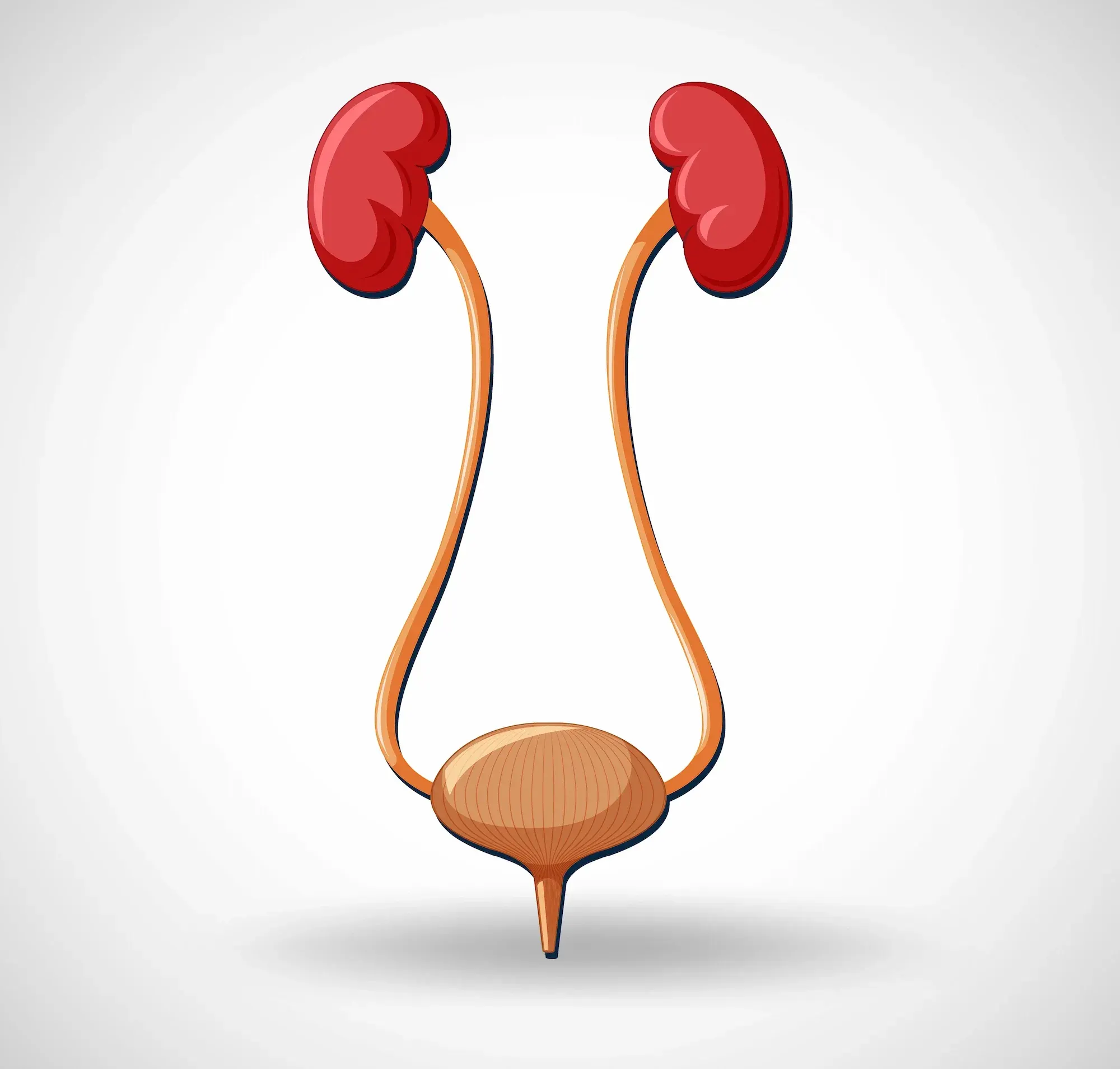

Bladder cancer develops when DNA mutations cause cells in the bladder lining (urothelium) to grow abnormally. While the exact trigger varies from person to person, several well-established risk factors significantly increase the likelihood of developing this disease.
Tobacco smoking is the single greatest modifiable risk factor, responsible for roughly half of all bladder cancer cases. Carcinogens absorbed from cigarette smoke are filtered by the kidneys and concentrated in the urine, where they come into direct contact with the bladder lining over time. Occupational exposure to aromatic amines and other industrial chemicals used in dye, rubber, leather, textile, and paint manufacturing also elevates risk considerably.
Other contributing factors include chronic bladder infections or irritation, previous radiation therapy to the pelvic area, certain chemotherapy drugs such as cyclophosphamide, and a family history of bladder cancer. Age is another important factor, with most cases diagnosed in individuals over 55. Men are approximately three to four times more likely than women to develop bladder cancer, though women often present at a more advanced stage due to delayed diagnosis.