Initial Consultation
Your urologist reviews your symptoms, medical history, and goals, then orders an early morning total and free testosterone panel along with PSA, CBC, lipids, and pituitary hormones.


Evidence-based low T care from the father and son urology team

Restoring hormonal balance with urologist-led care
Testosterone naturally declines roughly 1 to 2 percent per year after age 30, but for some men the drop is steeper and arrives with disruptive symptoms. Persistent fatigue, low sex drive, weaker erections, muscle loss, increased abdominal fat, depressed mood, and poor concentration often point to clinically low testosterone (hypogonadism). Many men assume this is simply aging and accept the change. In reality, untreated low T is associated with higher risks of metabolic syndrome, type 2 diabetes, osteoporosis, and reduced cardiovascular fitness, making proper evaluation and treatment a meaningful health decision.
At Zabinski Urology, evaluation starts with two early morning total testosterone tests, free testosterone, LH, FSH, prolactin, estradiol, complete blood count, PSA, lipid panel, and metabolic markers. Confirmed levels below 300 ng/dL combined with consistent symptoms guide candidacy per American Urological Association criteria. We then build a customized treatment plan: weekly intramuscular or subcutaneous injections, daily transdermal gels, long-acting pellets, intranasal gel, or oral options such as Jatenzo when appropriate. For men still planning a family, we layer in hCG or clomiphene and may pair therapy with an infertility evaluation to protect fertility while restoring hormone levels.

The Science Behind Restoring Healthy Testosterone Levels
Testosterone replacement therapy (TRT) is a medically supervised treatment that restores testosterone to a healthy physiologic range in men diagnosed with hypogonadism. Diagnosis follows the American Urological Association guideline, which requires two separate morning total testosterone measurements below 300 ng/dL paired with bothersome symptoms such as low libido, fatigue, erectile dysfunction, loss of muscle mass, depressed mood, or reduced cognitive sharpness. TRT is FDA-approved for classical hypogonadism resulting from testicular failure (primary) or hypothalamic-pituitary dysfunction (secondary).
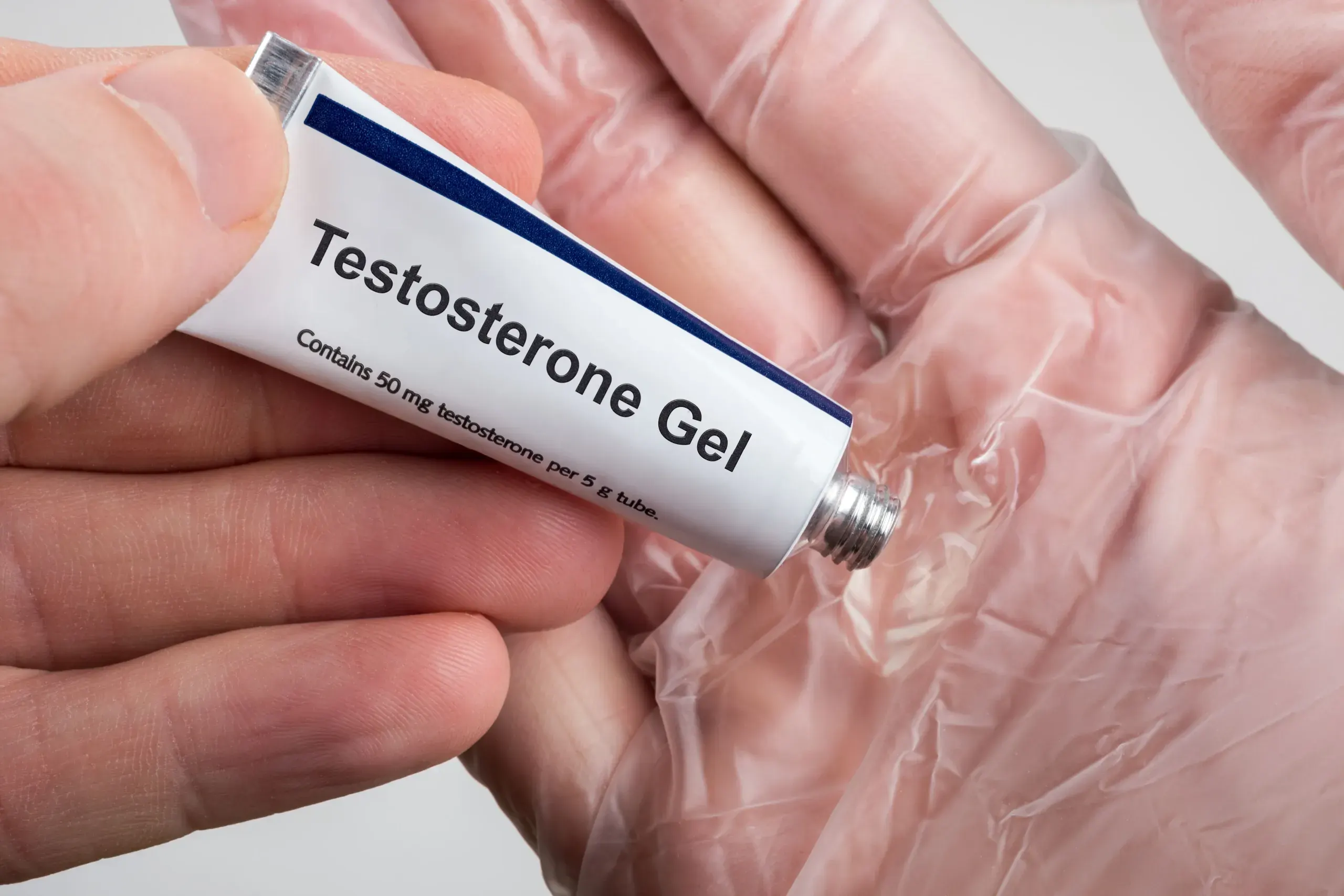
Therapy delivers bioidentical testosterone through several FDA-approved routes, including intramuscular and subcutaneous injections (testosterone cypionate or enanthate), transdermal gels and solutions, subcutaneous pellets that release hormone over 3 to 6 months, intranasal gel, and oral testosterone undecanoate (Jatenzo, Kyzatrex, Tlando). Once absorbed, testosterone binds to androgen receptors throughout the body, supporting muscle protein synthesis, red blood cell production, bone mineral density, libido, mood regulation, and erectile function. Modern formulations are designed to mimic the body's natural diurnal pattern as closely as possible while minimizing peaks and troughs.
Treatment is not one-size-fits-all. Our urologists select the route that best matches your lifestyle, family planning goals, cardiovascular profile, and tolerance. For men hoping to preserve fertility, we use hCG (human chorionic gonadotropin) or selective estrogen receptor modulators like clomiphene citrate, which stimulate the testes to keep producing testosterone and sperm naturally. This nuanced approach is why men across Brevard County choose our practice for hormone care rather than a generic clinic.
What Most Men Notice With Proper Treatment
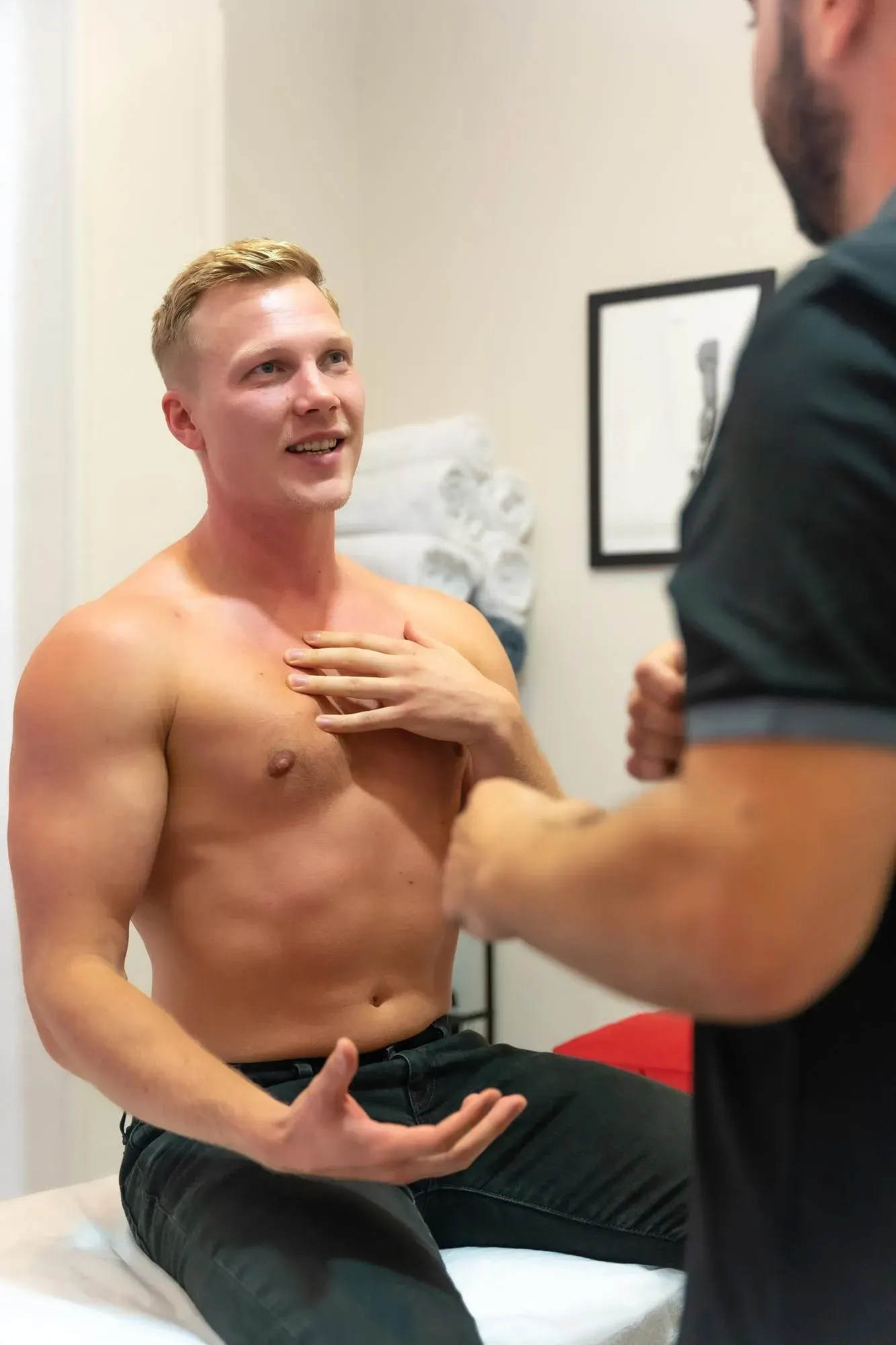
Most men report less fatigue and steadier energy within 3 to 6 weeks of starting therapy.
Sexual desire and morning erections typically return within the first few months of treatment.
Increased muscle mass and reduced abdominal fat over 3 to 12 months of consistent therapy.
Many patients describe clearer thinking, improved memory, and a lift in mood and motivation.
Testosterone supports bone mineral density, reducing osteoporosis and fracture risk over time.
Improvements in insulin sensitivity, cholesterol balance, and waist circumference are commonly seen.
Choosing the Right Delivery Method
| Method | Frequency | Onset of Effect | Pros | Cons | Fertility Friendly | Best For |
|---|---|---|---|---|---|---|
| Intramuscular Injections | Every 7 to 14 days | 1 to 3 weeks | Reliable levels, low cost | Peaks and troughs, self-injection | No (without hCG) | Men comfortable with weekly injections |
| Transdermal Gels | Daily application | 2 to 4 weeks | Steady levels, simple use | Skin transfer risk, daily routine | No (without hCG) | Men preferring needle-free daily dosing |
| Subcutaneous Pellets | Every 3 to 6 months | 3 to 6 weeks | Set and forget, steady levels | Minor in-office procedure, harder to adjust | No (without hCG) | Men who want minimal day-to-day effort |
| Oral TRT (Jatenzo) | Twice daily with food | 2 to 4 weeks | No injections, no skin transfer | Higher cost, BP monitoring required | No (without hCG) | Men avoiding needles and gels |

Determining whether TRT is right for you
Testosterone replacement therapy is most appropriate for men with confirmed clinical hypogonadism, defined by two early morning total testosterone levels below 300 ng/dL combined with persistent symptoms. Suitability is a clinical conversation, not a single number, and our urologists evaluate the full picture before recommending treatment. Patient safety guidance is detailed in resources from the FDA on testosterone products.
If any of these absolute or relative contraindications apply, our urologists will help you address them first or recommend an alternative path. A careful workup protects long-term health and ensures TRT, when prescribed, delivers benefit without unnecessary risk.
Your urologist reviews your symptoms, medical history, and goals, then orders an early morning total and free testosterone panel along with PSA, CBC, lipids, and pituitary hormones.
A second morning blood draw 1 to 2 weeks later confirms low testosterone per AUA criteria so we treat genuine hypogonadism rather than a one-off dip.
Your urologist selects injections, gel, pellets, or oral TRT based on your lifestyle, family planning goals, and lab profile, and walks you through dosing.
Your urologist teaches in-office injection technique or implants pellets in a quick clinic visit, and we start hCG or clomiphene if fertility preservation matters.
Repeat labs at 3, 6, and 12 months, then every 6 to 12 months thereafter, with dose adjustments to keep levels and side effects in the safe range.

What we watch for and how we manage it
When prescribed appropriately and monitored carefully, testosterone replacement therapy has a well-characterized safety profile. The recent TRAVERSE cardiovascular safety trial published in the New England Journal of Medicine showed no increase in major adverse cardiovascular events among men with hypogonadism and pre-existing cardiovascular risk who received TRT compared with placebo. Still, every medication has potential effects, and ongoing labs catch problems early.
Common side effects can include acne, oily skin, mild fluid retention, breast tenderness, and site reactions from injections or gels. Erythrocytosis (elevated red blood cell count and hematocrit above 54 percent) is the most common dose-related effect and may require dose reduction or therapeutic phlebotomy. Testicular shrinkage and reduced sperm production occur because exogenous testosterone suppresses the body's own production through pituitary feedback. Men planning future fatherhood benefit from concurrent hCG or clomiphene to preserve testicular function.
Less common but important effects include worsening of obstructive sleep apnea, mild increases in blood pressure (especially with oral TRT), changes in lipid panels, and acceleration of androgen-sensitive conditions. We screen for prostate cancer with PSA and digital exam before starting and at regular intervals during therapy. Patients with significant baseline PSA elevation or suspicious findings undergo full urologic workup before TRT.
Routine monitoring at Zabinski Urology includes total testosterone, free testosterone, estradiol, CBC with hematocrit, comprehensive metabolic panel, lipid panel, and PSA at 3, 6, and 12 months after starting therapy, then every 6 to 12 months thereafter. Any concerning trend prompts a dose adjustment, modality change, or pause in therapy.
The cost of TRT depends on the delivery method, dose, lab frequency, and whether insurance covers your evaluation and medication. Most major medical insurance plans, including Medicare, cover the office visits, labs, and prescription TRT when low testosterone is properly documented per AUA criteria. Our team helps verify benefits before your first appointment so there are no surprises.
For patients without insurance coverage or those who prefer cash-pay programs, Zabinski Urology accepts most major credit cards and offers CareCredit financing with no-interest plans for qualifying patients. Generic injectable testosterone is often the most affordable long-term option, while pellets offer the convenience of a single visit every several months.
During your consultation, your urologist will discuss the full cost of your specific plan, including labs and follow-up visits, so you can budget with confidence.


Father and son urologists guiding your hormone health
Two urologists, not a med-spa technician, overseeing every hormone decision.
Two morning labs and a full symptom review per AUA criteria, not a quick screen.
We tailor protocols with hCG or clomiphene when family planning is still on the table.
Scheduled PSA, hematocrit, lipid, and testosterone labs to keep therapy safe long term.
Other urology and men's health services offered at Zabinski Urology.

Procedures and evaluations supporting reproductive goals

Advanced in-office urology diagnostics and evaluations
Answers from our urologists
Diagnosis requires two early morning total testosterone tests showing levels below 300 ng/dL along with consistent symptoms such as fatigue, low libido, erectile dysfunction, loss of muscle, or depressed mood. A single number is never enough. Your urologist combines the lab results with your symptom history and a physical exam to confirm clinical hypogonadism per American Urological Association criteria.
Most men report improved energy, mood, and libido within 3 to 6 weeks of starting properly dosed therapy. Sleep and concentration typically follow in the first 2 to 3 months. Changes in body composition, such as increased muscle and decreased abdominal fat, generally appear between 3 and 12 months. Bone density and metabolic improvements continue over 1 to 2 years of consistent treatment.
Yes. Exogenous testosterone signals the pituitary to stop stimulating the testes, which reduces sperm production. If you may want children in the future, tell us at your first visit. We routinely add hCG or clomiphene to TRT plans to preserve fertility, or we may recommend clomiphene monotherapy as a TRT alternative for younger men who still want to father children.
Current evidence, including large meta-analyses and the TRAVERSE trial, does not show that TRT causes prostate cancer in men without active disease. However, TRT can accelerate the growth of an existing prostate cancer, which is why we screen with PSA and digital rectal exam before starting and at regular intervals. Men with active prostate cancer should not receive TRT.
The TRAVERSE trial, the largest randomized cardiovascular safety study to date, found no increased risk of heart attack, stroke, or cardiovascular death in men with hypogonadism on TRT compared with placebo. We still screen for cardiovascular risk before therapy and avoid TRT in men with recent heart attacks, uncontrolled heart failure, or untreated severe obstructive sleep apnea.
There is no single best option. Weekly intramuscular or subcutaneous injections are the most cost-effective and provide reliable levels. Daily gels are needle-free but require care to avoid skin transfer to partners or children. Pellets give 3 to 6 months of steady dosing but require a small in-office procedure. Oral testosterone undecanoate avoids injections and skin transfer but costs more. We match the method to your lifestyle, fertility plans, and tolerance.
Most men with confirmed hypogonadism remain on TRT long term because the underlying low testosterone does not resolve on its own. Discontinuation typically returns symptoms within weeks to months. If a reversible cause is identified, such as significant weight loss, improved sleep, or stopping suppressive medications, we may try to taper or pause therapy to see whether your natural production recovers.