
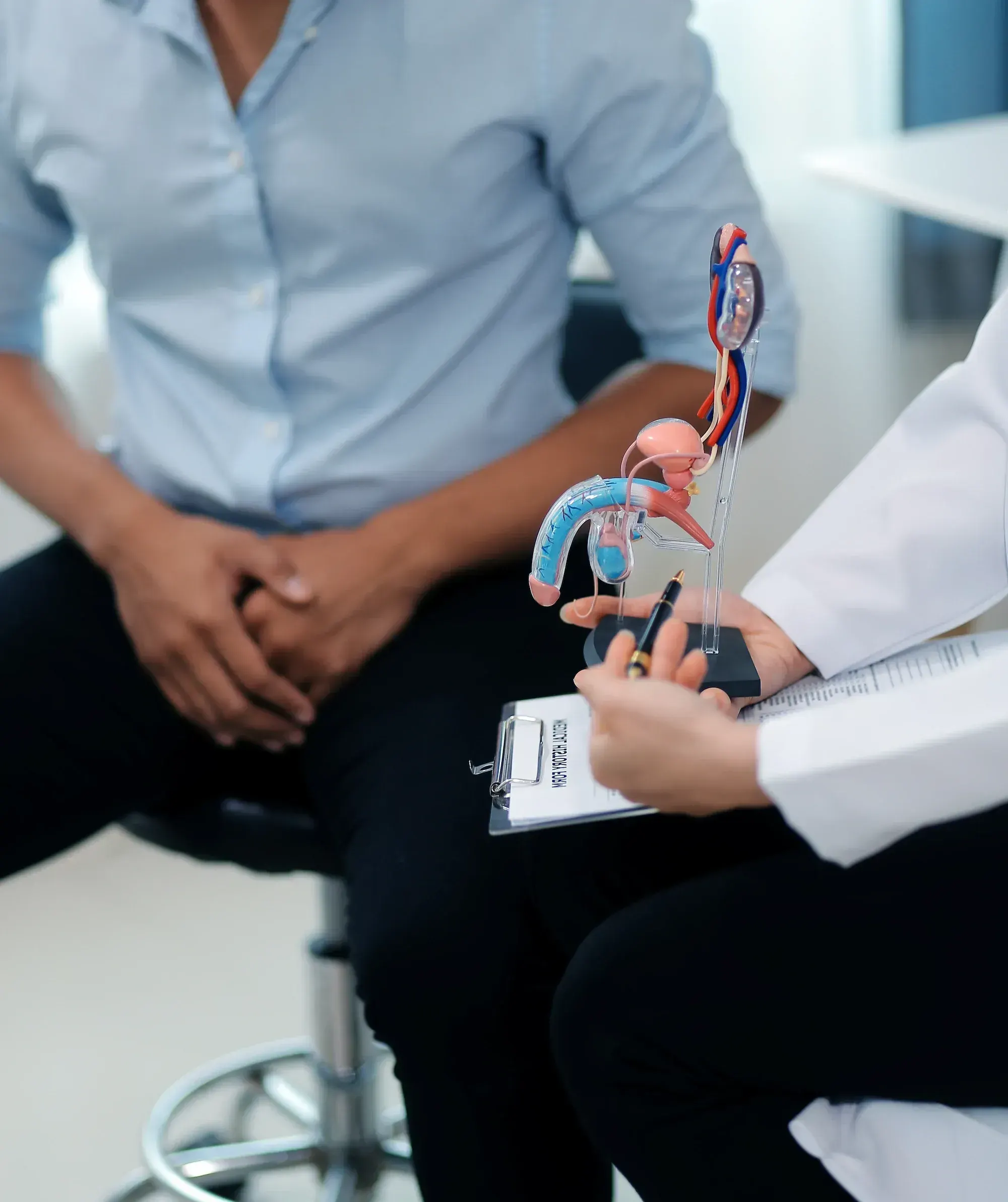

Overactive bladder happens when the detrusor muscle in the bladder wall contracts involuntarily, even when the bladder is not full. The brain interprets these contractions as an urgent need to urinate, which can drive you to the bathroom eight or more times a day and once or more during the night. The condition is not simply a normal part of aging, and it is not caused by drinking too much water.
Frequent contributors include:
- Nerve signaling changes: conditions like diabetes, stroke, Parkinson disease, or multiple sclerosis can disrupt the nerves that coordinate bladder filling and emptying.
- Weak pelvic floor muscles: common after childbirth, prostate surgery, or with aging, leading to poor support and urgency.
- Bladder outlet obstruction: in men, an enlarged prostate forces the bladder to work harder, eventually causing instability.
- Recurrent urinary tract infections, bladder stones, or interstitial cystitis: irritate the bladder lining and trigger urgency.
- Medications and lifestyle: diuretics, caffeine, alcohol, carbonated beverages, and acidic foods can amplify symptoms.
According to the National Institute of Diabetes and Digestive and Kidney Diseases, OAB affects roughly 33 million American adults, including about 30 percent of men and 40 percent of women at some point in their lives. Many never seek treatment because of embarrassment, even though most cases respond well to medical care.