Initial Void
You urinate into a special uroflow device while your urologist measures flow rate and voiding pattern.

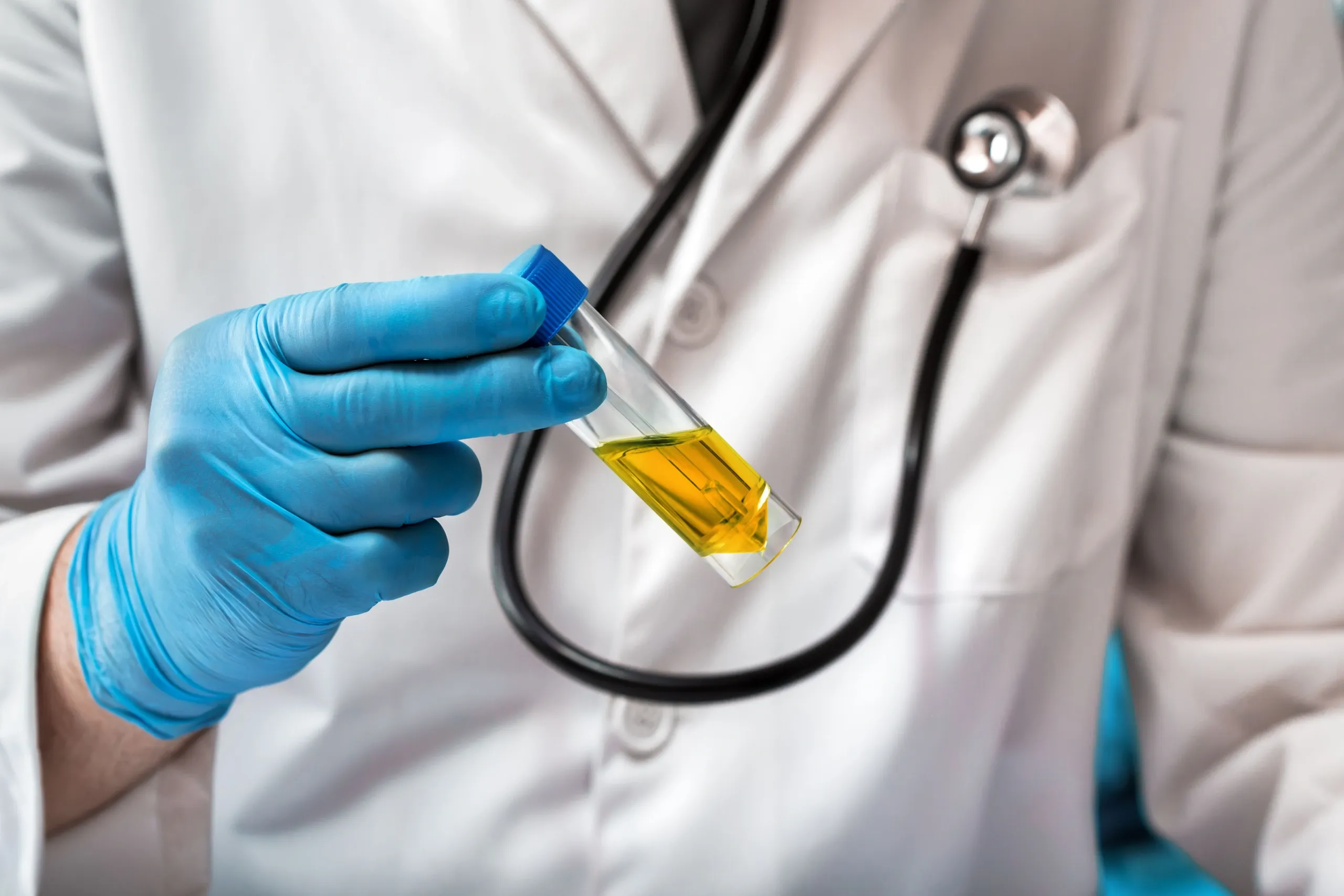
Precise Bladder Diagnostics
Finding Answers, Not Guesses
Frequent bathroom trips, unexpected leakage, difficulty emptying your bladder, or a persistent sense of urgency can erode your confidence and limit your daily life. Many patients try behavioral changes, medications, or simply endure the discomfort for years without understanding the underlying cause. Conditions such as urinary incontinence and enlarged prostate share overlapping symptoms - without an accurate diagnosis, treatments may address only surface-level symptoms while the real problem persists.
Urodynamic testing provides the objective, measurable data your urologist needs to pinpoint the exact source of your bladder dysfunction. By evaluating how your bladder stores and releases urine under real conditions, this diagnostic study eliminates guesswork and enables our urologists to design a treatment plan tailored specifically to your physiology. Combined with procedures such as cystoscopy when needed, urodynamics delivers faster relief and better long-term outcomes for patients across Melbourne, Palm Bay, and the Space Coast.
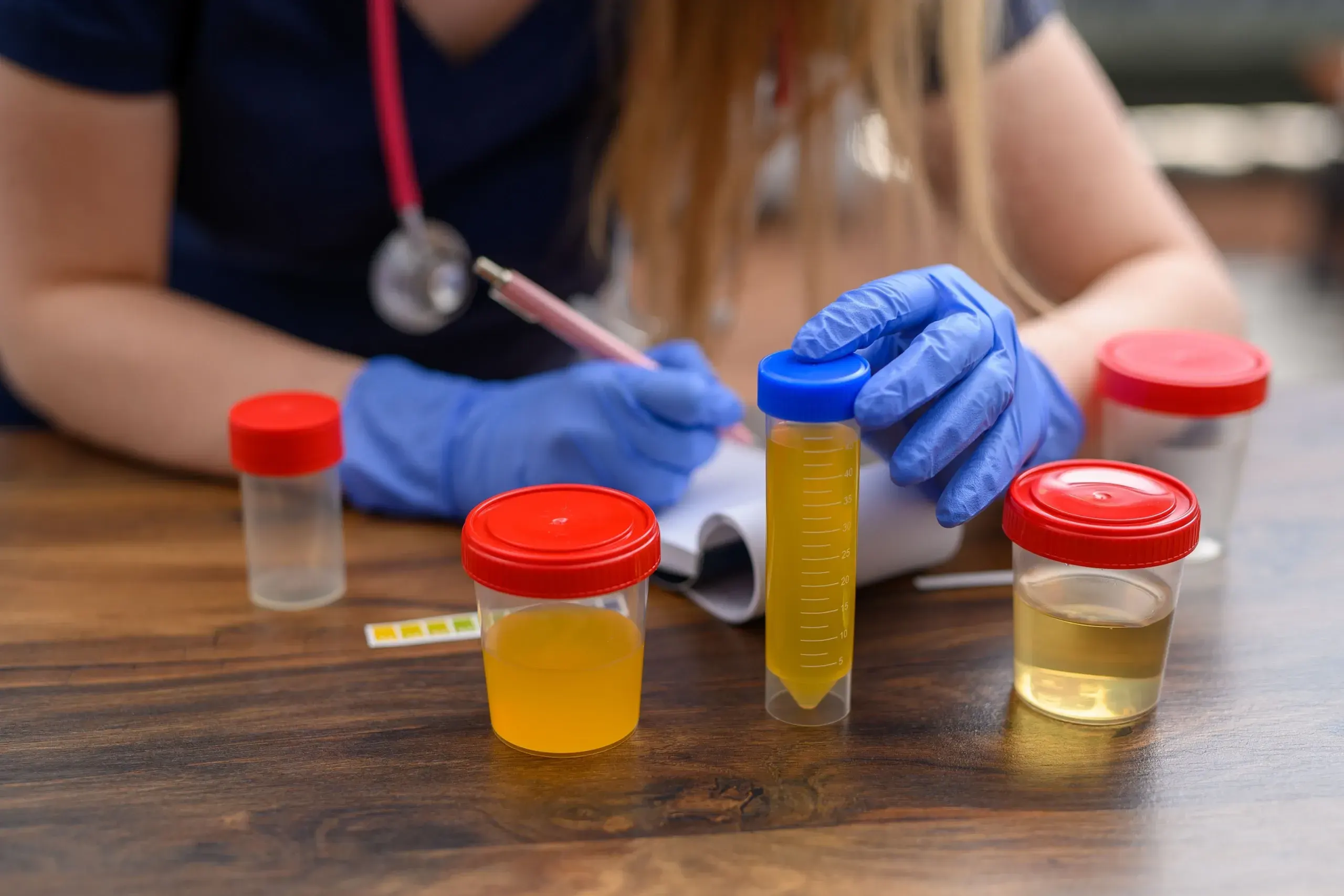
The Science of Bladder Function
Urodynamic testing is a group of diagnostic studies that measure how well your bladder, sphincters, and urethra store and release urine. These tests evaluate detrusor muscle pressure, bladder capacity, urine flow rate, and the coordination between your bladder and pelvic floor muscles. The American Urological Association recommends urodynamic studies as a key diagnostic tool when initial assessments do not fully explain lower urinary tract symptoms.
During the evaluation at our Melbourne, FL office, a small catheter with pressure sensors is placed into the bladder and sometimes the rectum. As the bladder is slowly filled with sterile fluid, the sensors record how your bladder responds at various volumes. You may be asked to cough, bear down, or attempt to urinate while measurements are taken. This provides a real-time, objective picture of bladder function that no other test can replicate. The data helps distinguish between stress incontinence, urge incontinence, detrusor overactivity, bladder outlet obstruction from enlarged prostate, and neurogenic bladder conditions - guiding treatments from Emsella pelvic floor therapy to surgical intervention.
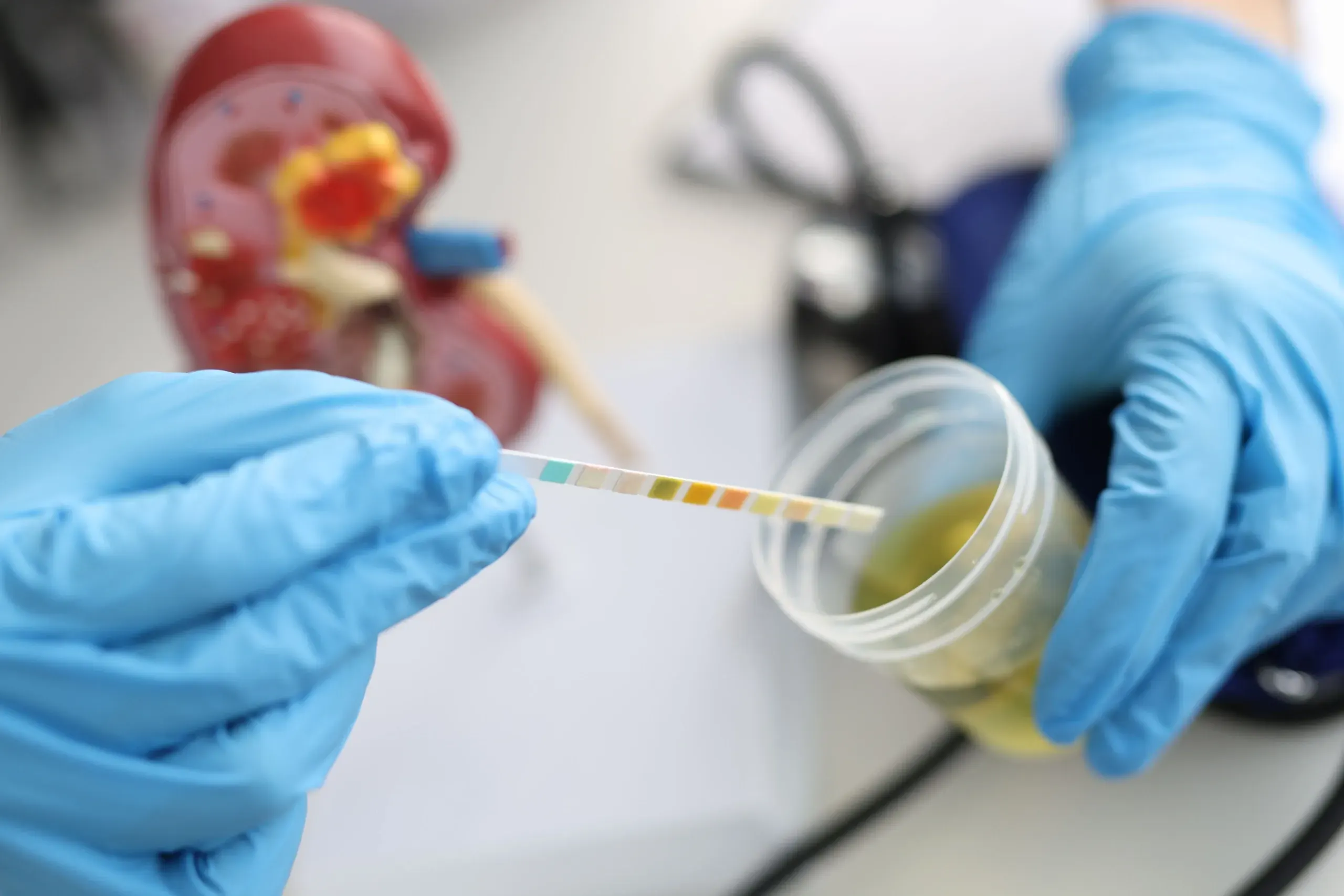
Data-Driven Diagnosis

Objective measurements replace guesswork with precise identification of bladder dysfunction
Results guide your urologist to the most effective therapy for your specific condition
In-office procedure with no sedation, no incisions, and immediate return to activities
Your urologist reviews your findings and discusses next steps the same visit
Confirms whether surgical intervention is truly needed or if conservative options will work
Diagnostic Comparison
| Method | Mechanism | Time | Data Quality | Conditions Detected | Invasiveness | Best For |
|---|---|---|---|---|---|---|
| Urodynamic Testing | Pressure sensors measure bladder function in real time | 30-60 min | Objective, quantitative | All lower urinary tract disorders | Minimally invasive (catheter) | Complex or unclear bladder symptoms |
| Bladder Diary | Patient self-records voiding patterns over 3 days | 3 days | Subjective, behavioral | Frequency, nocturia patterns | Non-invasive | Initial screening of voiding habits |
| Pad Test | Weighs absorbent pads to quantify urine leakage | 1-24 hours | Quantitative leakage only | Incontinence severity grading | Non-invasive | Measuring degree of leakage |
| Imaging Studies | Ultrasound or X-ray visualizes bladder anatomy | 15-30 min | Structural, not functional | Anatomical abnormalities, residual volume | Non-invasive to mildly invasive | Ruling out structural causes |

Finding the Right Candidates
Urodynamic testing is recommended when your symptoms are complex, when initial treatments have not worked, or when your urologist needs objective data before planning a procedure. It is one of the most valuable diagnostic tools for lower urinary tract dysfunction.
Our urologists will discuss whether urodynamic testing is the right next step based on your history, symptoms, and prior treatment response. Schedule a consultation to get started.
You urinate into a special uroflow device while your urologist measures flow rate and voiding pattern.
Your urologist places a thin, flexible catheter with pressure sensors into the bladder and a small rectal sensor for abdominal pressure.
Your urologist monitors the screen as sterile fluid slowly fills your bladder, recording sensation thresholds, capacity, and involuntary contractions.
You void with the sensors in place so your urologist can measure detrusor pressure versus flow rate to detect obstruction.
Our urologists review the tracings with you immediately, explain the findings, and outline your personalized treatment plan.
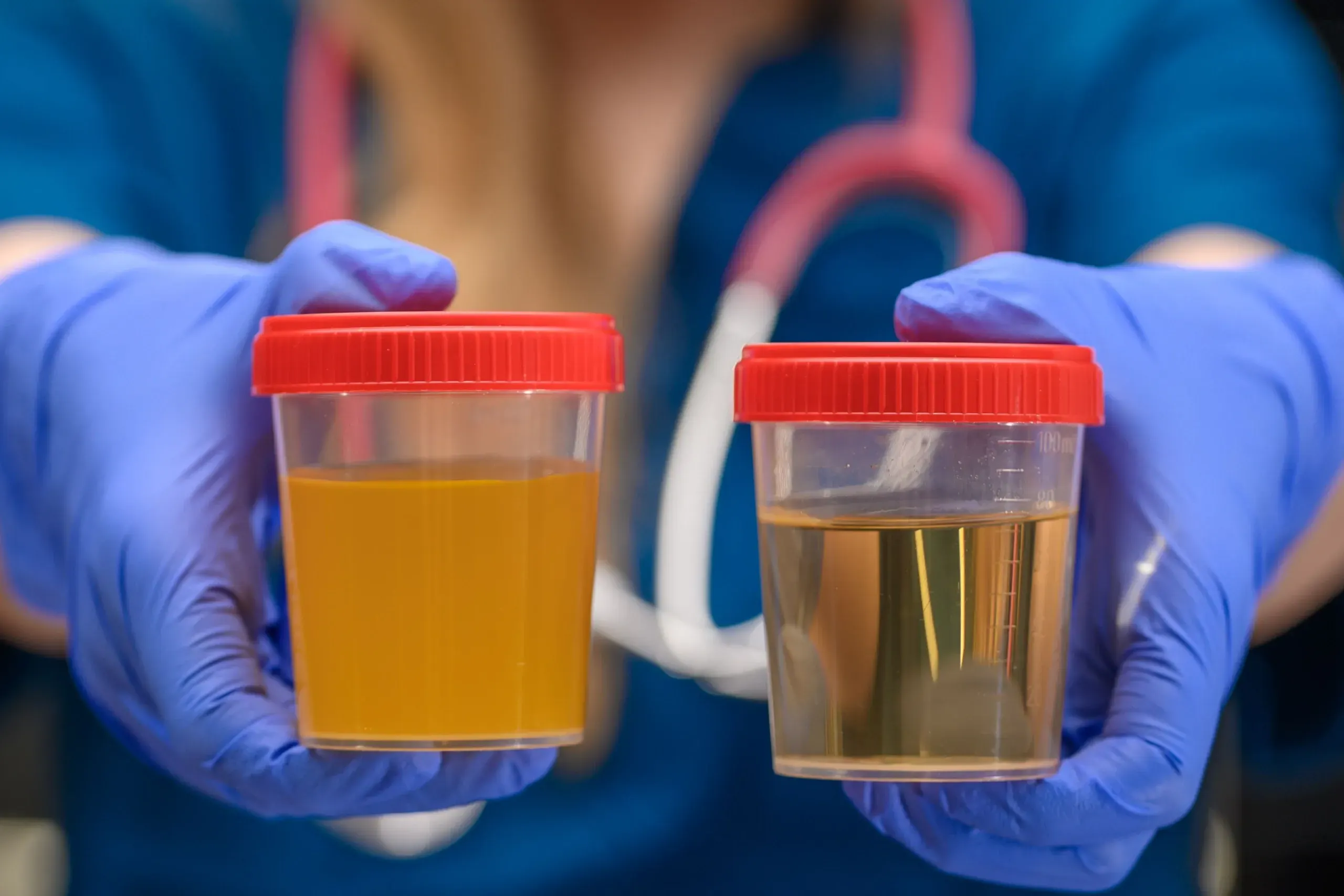
Low-Risk Diagnostic Test
Urodynamic testing is a well-established, low-risk diagnostic procedure. Most patients tolerate it well with only minor, temporary effects.
Common (mild, resolves within 24-48 hours):
Uncommon:
Serious complications are extremely rare. Our urologists use sterile technique throughout the procedure and provide clear aftercare instructions to minimize any risk. If you experience fever above 101°F, inability to urinate, or significant blood in your urine, contact Zabinski Urology immediately at (321) 372-1372.
The cost of urodynamic testing varies depending on the specific studies performed and your insurance coverage. At Zabinski Urology, we believe in transparent pricing so you can plan with confidence.
A standard urodynamic study typically includes uroflowmetry, cystometry, and pressure-flow analysis. More complex evaluations may include electromyography (EMG) or video urodynamics, which can affect the total cost.
Most major insurance plans, including Medicare, cover urodynamic testing when medically indicated. Our staff will verify your benefits and obtain any required pre-authorization before your appointment. You will know your estimated out-of-pocket cost before the test is performed.
Your urodynamic study at Zabinski Urology includes the diagnostic procedure, real-time monitoring by your urologist, same-day interpretation of results, and a follow-up treatment consultation - all in a single office visit.
Contact our Melbourne office at (321) 372-1372 to discuss your specific insurance plan and anticipated costs. We work with patients to ensure bladder diagnostics remain accessible and affordable.

Melbourne's Trusted Urologists
Father-son team with unmatched depth of urological diagnostic experience
Complete urodynamic testing performed on-site with same-day result review
Diagnosis leads directly to a personalized treatment plan at the same practice
Unhurried consultations ensure you understand every finding and next step
Explore other services offered at Zabinski Urology in Melbourne, FL.

Expert surgical care for male reproductive needs

Non-invasive solutions for pelvic floor wellness
Answers from Our Urologists
Most patients describe mild discomfort rather than pain. The catheter insertion may cause brief pressure, but there is no sedation or anesthesia needed. The test is well-tolerated by the vast majority of patients, and any discomfort typically resolves within minutes of catheter removal.
A complete urodynamic study takes approximately 30 to 60 minutes depending on the specific tests your urologist orders. Including check-in and the results discussion, plan for about 90 minutes total at our Melbourne office.
Arrive with a comfortably full bladder - do not empty your bladder for about two hours before the appointment. Continue taking your regular medications unless your urologist advises otherwise. Wear comfortable clothing. No fasting or special dietary restrictions are required.
Most insurance plans, including Medicare and many commercial carriers, cover urodynamic testing when it is medically necessary. Our office staff will verify your coverage and handle pre-authorization before your scheduled appointment so you know what to expect financially.
Yes. Urodynamic testing does not require sedation or anesthesia, so you are safe to drive yourself home immediately after the procedure. You can return to work and normal activities the same day.
Your urologist will review your urodynamic tracings with you immediately after the test is complete. You will leave the office understanding your diagnosis and the recommended treatment plan - no waiting days or weeks for results.
Urodynamic testing measures how your bladder functions - pressure, capacity, and flow. Cystoscopy uses a small camera to visually inspect the inside of your bladder and urethra for structural problems. They answer different questions and are often complementary diagnostics.